In today’s fast‑paced global economy, supply chain operations are evolving faster than ever. From advanced automation to sustainability mandates, logistics professionals are facing transformative change. At Man Supply Chain, we understand that staying ahead of trends isn’t just an advantage — it’s essential for growth and resilience.
Artificial Intelligence (AI) and Machine Learning (ML) are no longer futuristic theories — they’re practical tools driving smarter demand forecasting, route optimization, and predictive maintenance. Companies using AI can anticipate disruptions, optimize inventory levels, and react faster to changing market conditions.
Key benefits:
Real‑time tracking through the Internet of Things (IoT) has revolutionized transparency in supply chains. Smart sensors on cargo, vehicles, and assets provide live data — empowering companies to monitor temperature, location, and performance throughout the delivery journey.
Use cases include:
Environmental responsibility remains a priority as companies strive to reduce carbon emissions and waste. From electrified fleets to eco‑friendly packaging, sustainability initiatives are now integral to supply chain planning.
Trends to watch:
Global supply chain disruptions — like pandemics and geopolitical tensions — have accelerated interest in nearshoring and regional supply strategies. Bringing manufacturing closer to demand markets improves resilience and reduces transit times.
Benefits include:
Automation continues to be a game changer in warehousing operations. From autonomous forklifts to robotic picking systems, logistics facilities are gaining efficiency and accuracy.
Warehouse automation outcomes:
Large volumes of supply chain data are now being transformed into actionable insights. Through powerful analytics platforms, companies can identify patterns, mitigate risks, and optimize operations in ways never before possible.
Examples of use:
Blockchain technology is gaining traction for its ability to secure and validate transactions across multiple stakeholders. From supplier contracts to shipment documentation, blockchain can reduce fraud and increase trust.
Benefits of blockchain:
Customers demand more transparency, faster delivery, and flexible return policies. Supply chains now play a crucial role in meeting those expectations by offering real‑time tracking, delivery updates, and personalized services.
Customer‑centric supply chain features:
As logistics technology becomes more advanced, workforce skills must also evolve. Supply chain talent requirements are shifting toward roles in data analysis, automation support, and digital operations.
Critical workforce trends:
Today’s supply chains must be built to withstand shocks — whether from natural disasters, cyberattacks, or market volatility. Companies are investing in resilience planning and risk modeling to stay agile and responsive.
Resilience strategies include:
In today’s highly interconnected global market, even a small disruption at one stage of a supply chain can ripple throughout an entire industry. For manufacturing companies — especially those in high‑tech sectors — access to materials like electronic grade chemicals, photoresists, sputtering targets, and wafers is mission‑critical. When these supplies are delayed, quality suffers, production schedules stall, and revenues decline.
At Manufacturing Supply Chain (MSC), the goal is simple: prevent supply chain disruption before it threatens your operations. Whether you’re sourcing critical materials or specialized equipment like probers for R&D, a resilient supply chain strategy keeps businesses running and competitive.
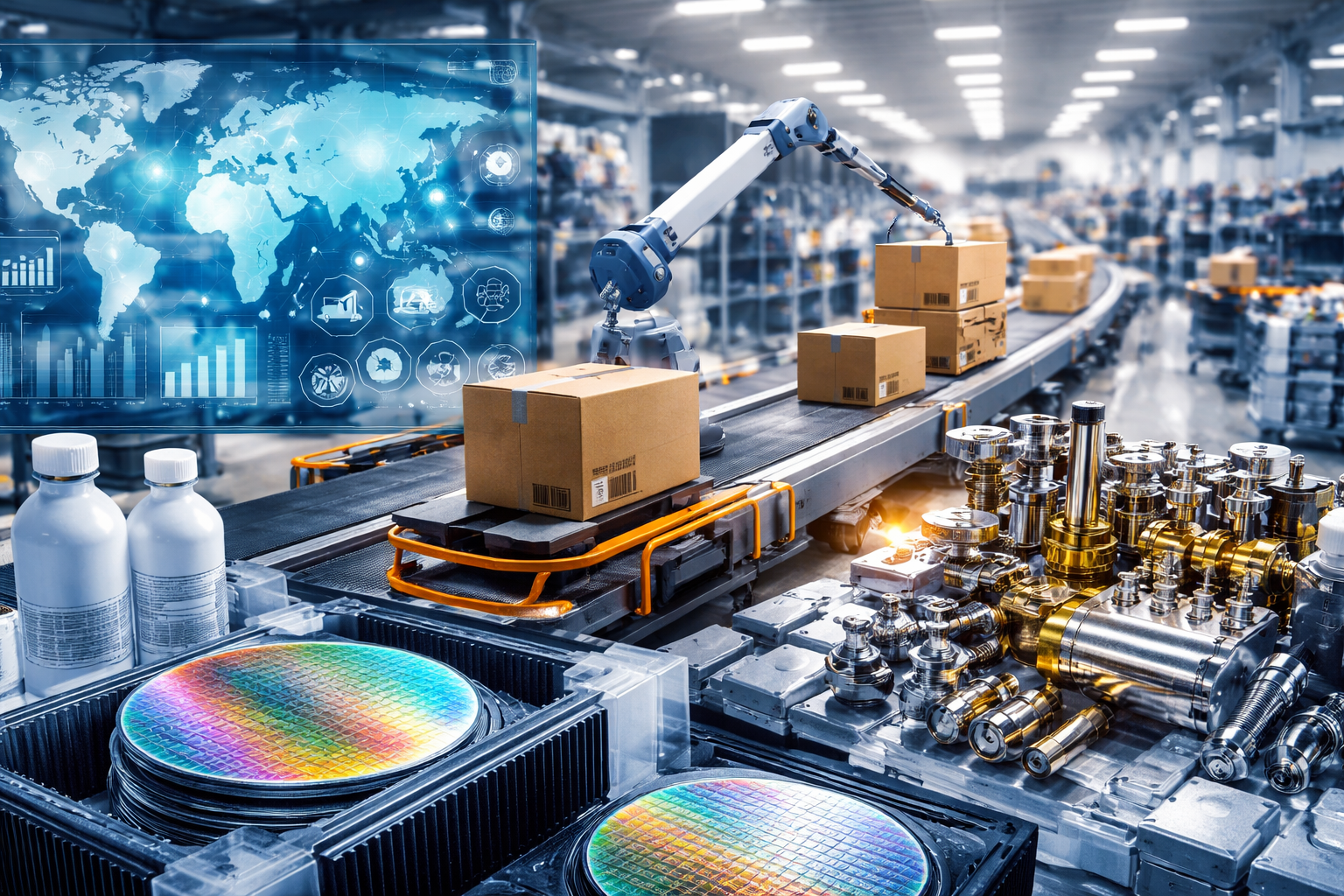
Supply chains today aren’t just about moving parts from A to B — they are dynamic systems involving many moving pieces:
Successful supply chains function like well‑oiled machines — every component must be visible, resilient, and tightly coordinated.
Here are key practices that industry leaders use to strengthen their manufacturing supply chains:
1. Build Redundancy Without Excess Cost
Having alternate sources for high‑critical materials like photoresists or analytical tools helps avoid single‑point failures without unnecessary inventory. A diversified supplier network creates resilience without excessive cost increases.
2. Embrace Data and Automation
Modern systems — including advanced predictive analytics — offer real‑time insights into inventory levels and logistics performance. This helps companies anticipate shortages and take corrective action before issues become crises.
3. Close Collaboration with Trusted Partners
Working closely with dependable suppliers and logistics partners reduces uncertainty. High‑trust relationships lead to better communication and more flexible supply arrangements, which are especially valuable during market shifts.
4. Protect the Flow of High‑Tech Materials
Certain parts, like vacuum components, wafers, or specialized chemicals, have long lead times and strict quality requirements. Prioritizing reliable sourcing for these critical inputs ensures production continuity.
Welcome to WordPress. This is your first post. Edit or delete it, then start writing!